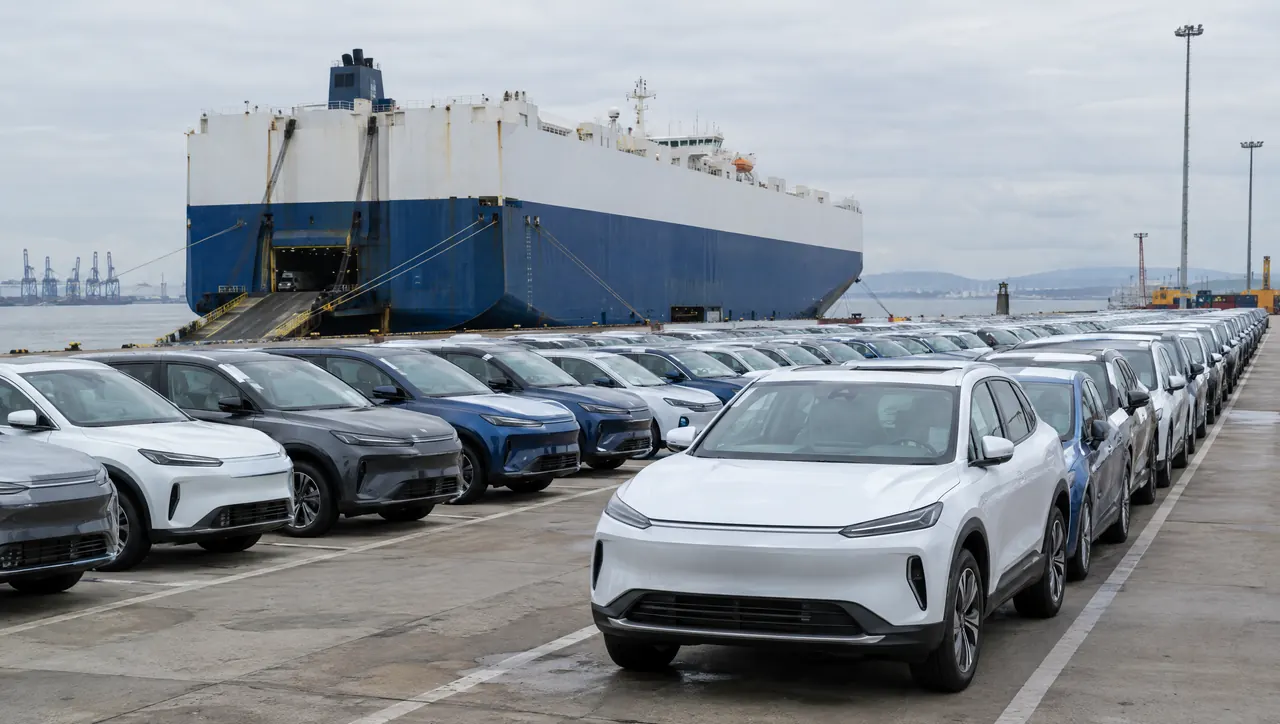
An electric car is shipped like any vehicle, with one difference: its large lithium-ion battery. TFImex imports and exports new and used electric cars and plans every order around three questions - is the car allowed in the destination country, is the battery in good health, and which way of shipping suits the route.
What to check before you buy
- Destination rules: each country sets its own rules for imported cars, such as type approval, age limits and left- or right-hand drive. We check them before an order is confirmed.
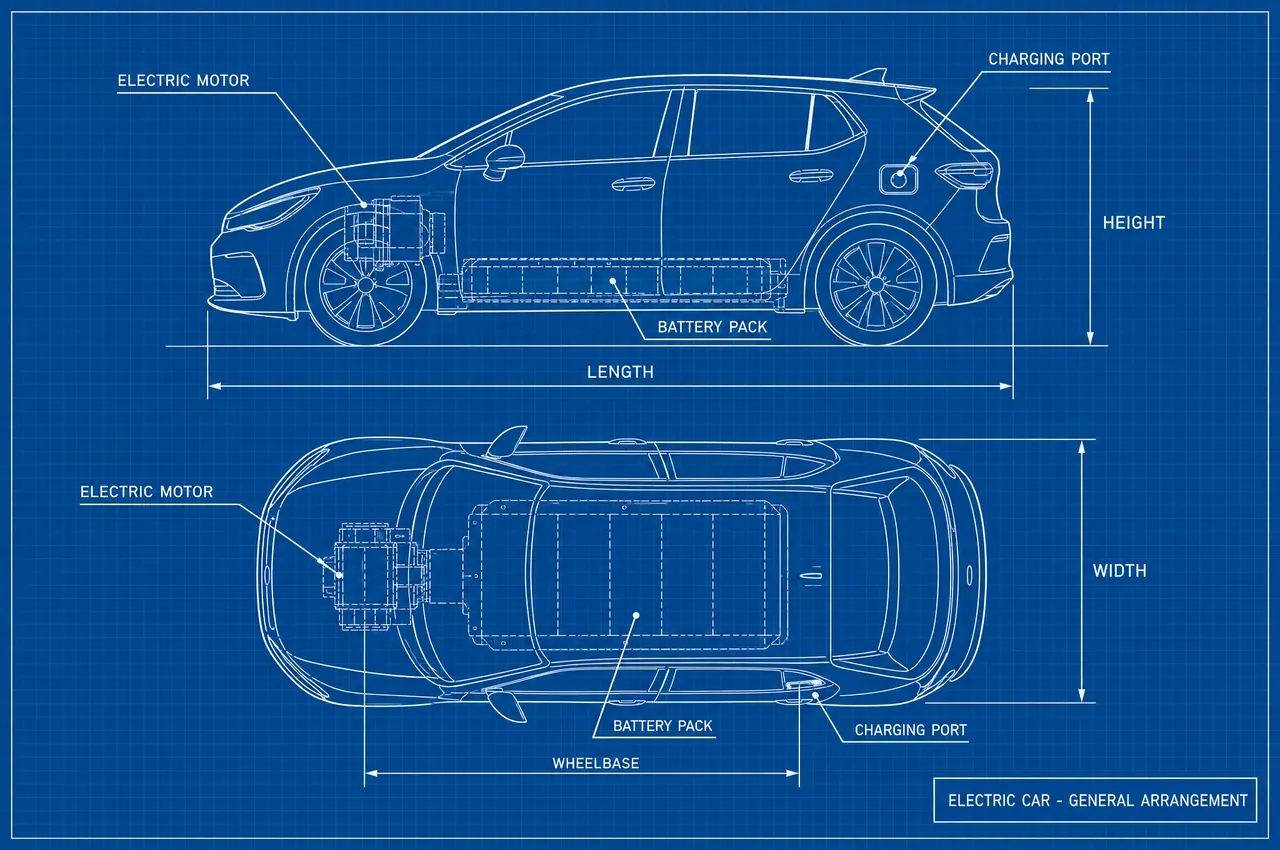
- Battery health: for used cars a battery state-of-health report shows how much of the original capacity is left.
- Charging: the car's charging port and plug type should match the chargers used in the destination country.
Shipping an electric car
Cars travel either on a roll-on/roll-off car carrier, driven on board at the port, or inside a 20 ft or 40 ft container. Battery-powered vehicles are classed as dangerous goods for sea transport (UN 3171), so they are declared to the carrier and shipped under the carrier's rules for the battery's state of charge.
Questions buyers ask
Do you handle used electric cars?
Yes, new and used. For used cars we ask for a battery state-of-health report before shipping.
Container or car carrier?
Both are possible. Containers protect the car and suit smaller numbers; car carriers suit larger volumes on routes they serve.
Which papers are needed?
The commercial invoice, the bill of lading, the vehicle documents and the dangerous-goods declaration for the battery, plus anything the destination country requires.
- Section
- Electric cars
- Reading time
- 2 min read
Discuss this with our team
Tell us what you need and our team replies by email.
Send an enquiry